
DOUG CASEY Predicts FUTURE of AMERICA, ASIA, Bitcoin, Uruguay, Guyana & Best Nations to Move 2b4 WW3
An interview with Pastor Steve Cioccolanti (Discover Church Online) and legendary investor Doug Casey
What happens if the U.S. doesn’t get “bigger” by expanding outward—but gets smaller by breaking apart?
That’s one of the most arresting ideas Doug Casey raises in this wide-ranging conversation with Pastor Steve Cioccolanti. From his farm in Uruguay, Casey shares why he left the United States, why he believes the world is nearing an economic and political “grand climax,” and why the next major shock won’t look like the 1930s—so most people won’t recognize it until it’s already on them.
Pastor Steve also brings a unique angle: a prophetic timeline framework, and the question many Christians are asking right now—how do we prepare wisely without fear?
Meet Doug Casey: “International Man” and lifelong contrarian
Pastor Steve introduces Doug Casey as the founder of Casey Research (which Doug notes he sold about five years ago), a man who has visited 175 countries and lived in 10, and someone known for challenging statism while advocating liberty and free markets.
They also discuss Doug’s recent book The Preparation: How to Become Competent, Confident, and Dangerous, aimed especially at young men—encouraging them to avoid the typical “college pipeline,” learn practical skills, and build real-world competence.
Greenland, Trump, and the surprising “smaller America” prediction
The interview opens around a headline-grabbing topic: Greenland—and the broader question of territorial acquisition.
Doug’s take is blunt and unexpected:
The best solution, in his view, is Greenland as an independent country (“Greenland for the Greenlanders”).
The greater likelihood, he argues, is not U.S. expansion—but U.S. fragmentation through secession movements.
He predicts that “100 years from now,” the U.S. map won’t look like it does today.
Pastor Steve connects this to themes he’s seeing and hearing prophetically—visions of a breakup and the resulting currency-system upheaval—then asks the question many feel but struggle to answer:
If regular people feel trapped, what does preparation actually look like?
“The government is coercion”: why Doug lives outside the U.S.
Doug explains his core premise: government is an institution of coercion and force—and he wants as little to do with it as possible.
He calls out what Pastor Steve describes as a major “blind spot” for many Americans:
The U.S. is one of the only major countries with global taxation, meaning the IRS can reach you even if you live abroad.
He believes this makes America, in some ways, less free than many assume.
That leads into his “Plan B” concept: having a second option outside your home country—a “Goshen,” as Pastor Steve calls it (a safe place in the biblical story of the plagues of Egypt).

Where is safe? Doug’s criteria—and his surprising warnings
Pastor Steve asks Doug, as someone with “boots on the ground” experience in 175 countries: where are the safest places to live if instability accelerates?
Doug resists a simplistic “top 5 list,” but offers patterns:
What he looks for in stability
A country with broad private ownership (especially land/farms)
Less reliance on one “big money pot” (like oil) that attracts corruption
A culture where people can live more independently
Places he favors (with many caveats)
Parts of Latin America (he mentions Uruguay, Argentina, Chile, Paraguay)
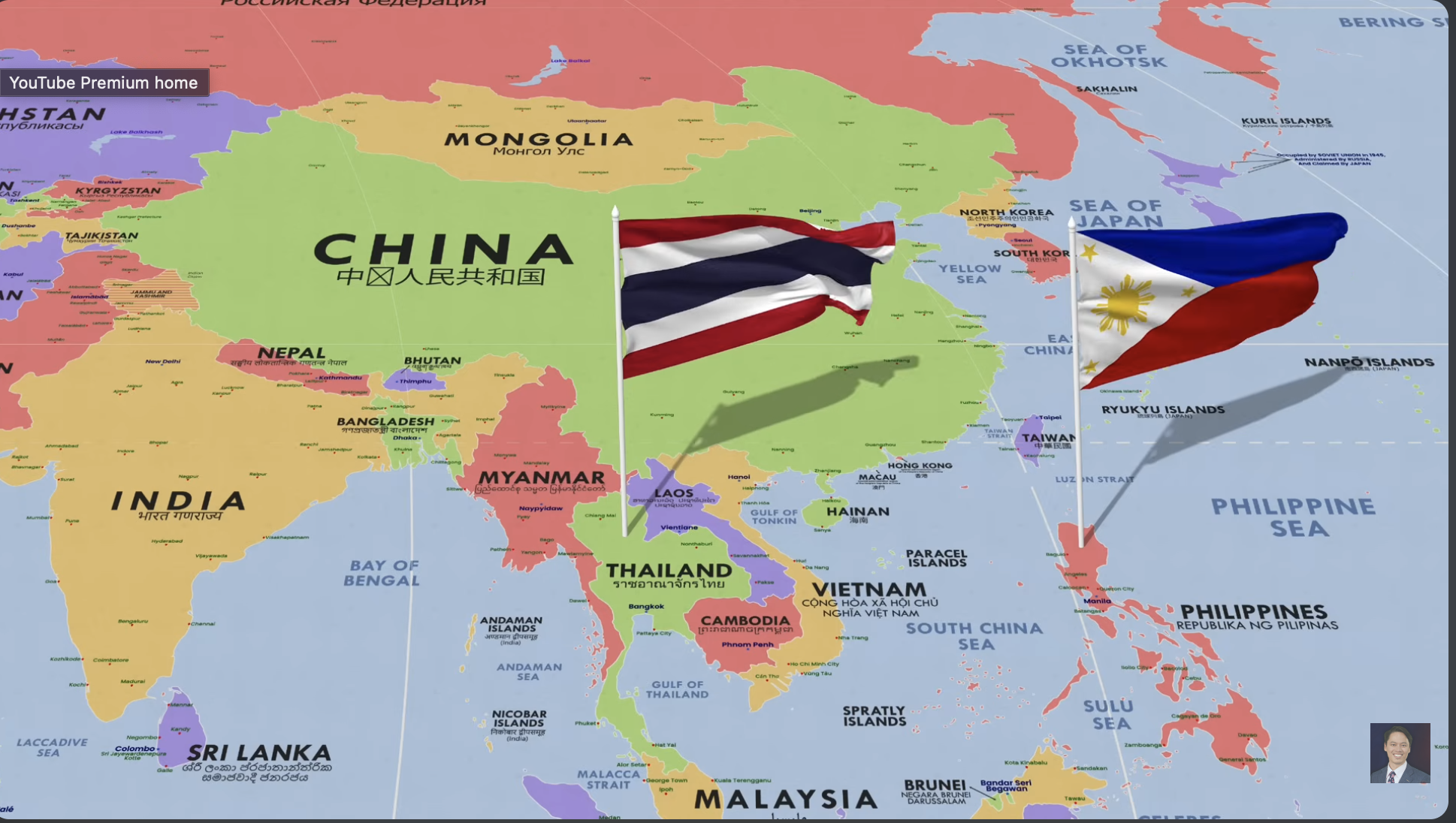
Southeast Asia broadly, and he’s a fan of Thailand
He’s skeptical of Europe, calling it overburdened by taxes, regulation, and policy choices that could cripple economies
A warning that hits close to home
He remarks that Australia and New Zealand are moving toward “kinder and gentler versions of police states.”
And his strongest universal advice—especially for young people?
Travel. Get “boots on the ground.” Don’t build your worldview from screens alone.
A depression unlike the 1930s: why people won’t see it coming
Pastor Steve quotes Doug’s warning that many investors and everyday people make the same mistake: they assume tomorrow will look like the last 30 years.
Doug argues the next downturn won’t resemble “1930s-style conditions,” because society is fundamentally different:
Fewer people have hands-on skills (more cubicles, fewer trades)
People are less self-sufficient (food, repairs, basic production)
Family and community ties are weaker and more mobile
People increasingly view government as “daddy”
His definition of depression is simple and sobering:
A period when most people’s standard of living drops significantly—often with bank failures and cascading disruptions.
His practical warning: big cities become fragile when systems fail—a point Pastor Steve connects to biblical “flee the cities” themes.
Practical preparation: “produce more than you consume”
When Pastor Steve asks what everyday people can do—especially those who feel they can’t relocate—Doug emphasizes:
Prepare psychologically
Don’t be “immobile like a potted plant.” Train your mind to adapt.Prepare morally
Think clearly about right and wrong, good and evil—don’t drift.Prepare financially (with caution)
Doug says fiat currencies can “dry up and blow away,” and urges people to:
Produce more than you consume
Save the difference
Consider building a “grubstake” of gold and silver, even if prices feel high
He also says many people may be forced into “speculation skills” during severe currency distortion (as historical collapses have done), even though speculation isn’t ideal for most.
Investing vs speculating vs gambling: a clarity moment
One of the most helpful segments is definitional:
Investing: like planting a seed and harvesting more seeds (building productive assets)
Speculating: capitalizing on distortions—often created by government policy
Gambling: a zero-sum game where the house takes a cut
Saving: often confused with all three, but distinct
Doug’s framework for speculation is essentially:
Find the “stupid things government does” and bet against them.
Bitcoin, CBDCs, and “don’t touch what you don’t understand”
On crypto, Doug is unusually specific:
Most cryptocurrencies, he says, are worthless
Bitcoin is the standout (he’s been in since 2017)
He warns strongly about CBDCs (central bank digital currencies): fully digital, fully controllable systems that would be “a disaster for individuals and private organizations”
Pastor Steve raises the “XRP army” and claims about bank adoption; Doug’s response is a blunt rule:
Don’t get involved in anything you don’t understand thoroughly.
Doug on faith: “think about good and evil”
Pastor Steve closes by asking Doug about Jesus, faith, and spiritual questions.
Doug describes religion as humanity’s quest to understand what happens after death. He’s not “a fan of any religion in particular,” but says the wisdom in the Gospels is profound:
He agrees with “about 90%” of what Jesus says in the four Gospels
He frames his personal “religion” as critical thinking—examining, testing, and acting according to good vs evil
And he affirms Pastor Steve’s mission as an attempt to improve the world.
Pastor Steve responds with an invitation to read The Four Horsemen of the Apocalypse, framing faith as the “best investment you’ll ever make”—if it’s true.
Doug ends with a memorable line of support:
It’s important that we think about good and evil, and what happens after we shed this mortal coil.
Key takeaways (for everyday believers)
Don’t assume the next crisis will look like the last one.
A “Plan B” isn’t just travel—it’s mental flexibility and moral clarity.
Skills matter. Learn practical competence, not just information.
Don’t build your worldview from screens. Seek “boots on the ground” reality.
Be cautious with money decisions. Understand what you’re doing before you do it.
Think deeply about eternity. The spiritual questions aren’t optional.
Watch / follow Doug Casey
Doug points viewers to internationalman.com and his YouTube channel (search “Doug Casey”).
And from Pastor Steve: “Put God first. Keep looking up.”
A quick note (important)
This post summarizes the conversation and the viewpoints shared in the interview. It is not financial advice. If you make financial decisions, consider getting qualified advice and never risk what you can’t afford to lose.
REVIEWS: What Viewers Are Saying
This has to be the best example of two men having a conversation and showing vast amount of respect and honor to the other man. If only we spoke to each other with such high regard as these two do. Incredible. Also, love the example set by Pastor Steve, how to introduce an opportunity for Doug Casey to consider God. Beautiful interview.

Thai Tour: www.discover.org.au/tour

The 4 Horsemen book: www.DiscoverChurch.online/4horsemen
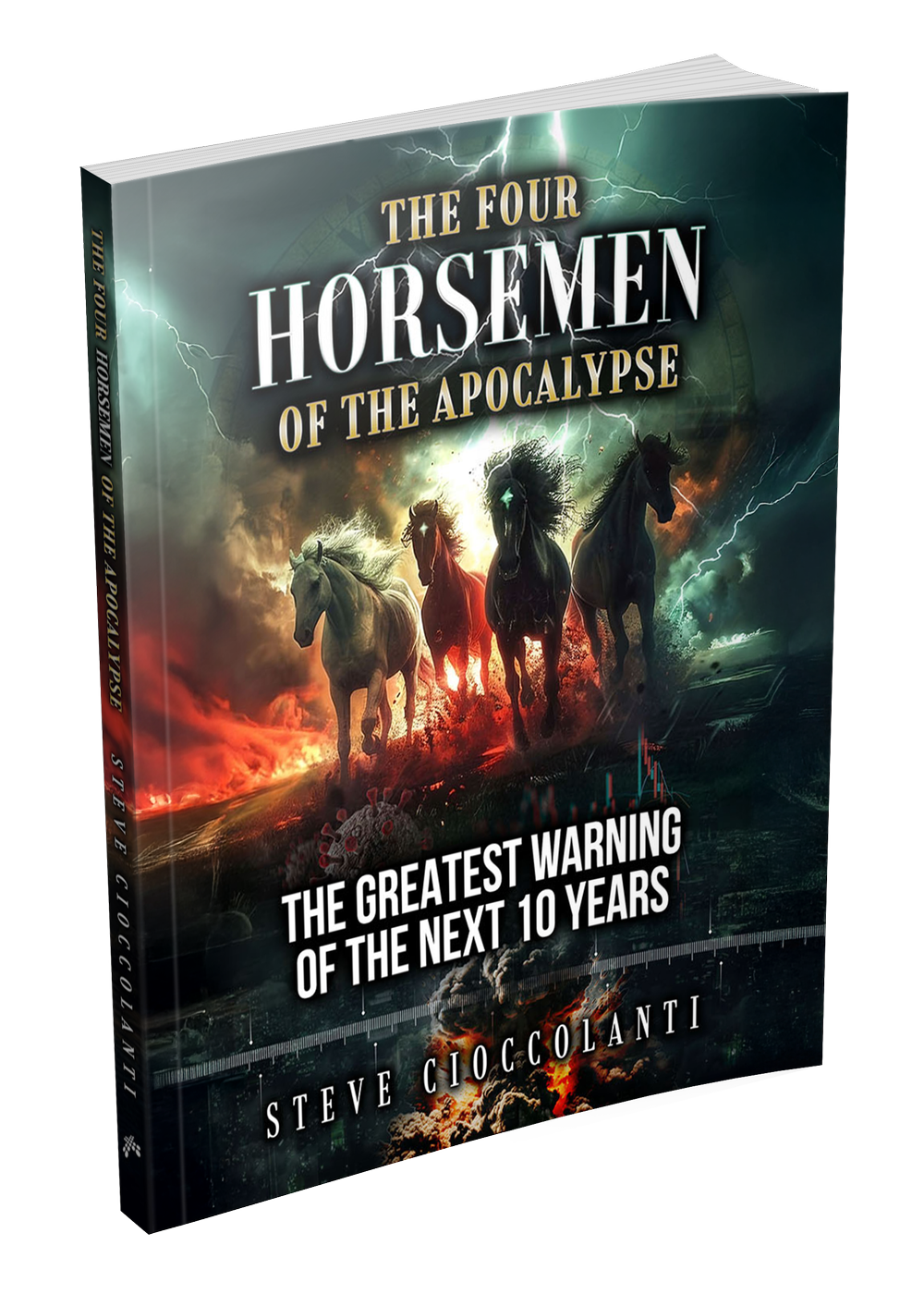
“This is a type of book that is hard to put down as you can’t wait to go to the next chapter, as it also reveals how ready you are (or not), and what to do to not just survive but thrive in these soon upcoming and world-shaking events.”
—- Dr. David Herzog, founder of The Glory Zone, Author of ‘Glory And The End Times'